


CRC-SIKKIM, under NILD Kolkata, DEPwD, MSJE, Govt. Of India and Govt. B.Ed College, Soreng, Sikkim organised a workshop-cum- Orientation Program on ‘ Creating an Inclusive School
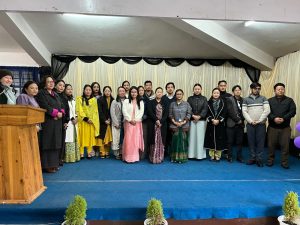
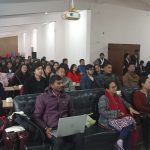
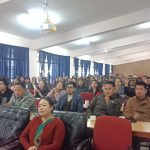
Emphasizing the importance of Collaborative Teaching in bridging the gap between special and general education, a 2-day workshop on “Creating an Inclusive School” was successfully conducted at Government B.Ed College, Soreng on 9th and 10th April 2026. The programme was jointly organized by CRC Sikkim under NILD Kolkata and Government B.Ed College, Soreng, affiliated to Sikkim University.
The workshop highlighted how collaborative teaching methodologies can foster inclusive classroom environments, ultimately contributing to the development of inclusive schools and a more inclusive society.
Shri T. D. Bhutia, Chief Education Officer, graced the occasion as the Chief Guest. The theme of the workshop was conceptualized by Smt. Devi Kala Lama, Principal of Government B.Ed College, Soreng, who remained actively involved throughout the sessions—from inauguration to valedictory—demonstrating her commitment to inclusive education.
Dr. Pushpanjali Gupta, Director of CRC Sikkim and the key resource person, delivered insightful sessions supported by documentary analysis. She emphasized that the National Curriculum Frameworks are inherently inclusive and do not discriminate among learners, as their guidelines are designed for all students.
Special sessions on Indian Sign Language were conducted by Shri Akhilesh Chauhan, Master Trainer (Deaf), DISLI course, along with Shri Vishal Vishwakarma, Interpreter. Their engaging presentations captivated the participants and enhanced awareness of inclusive communication practices.
The workshop saw participation from around 200 attendees, including 150 student educators, 20 educators from internship schools in Soreng, and 15 Assistant Professors.
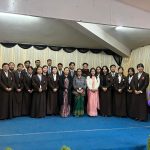
The programme was coordinated by Ms. Srijana Subba, Assistant Professor, Department of Education. It concluded with a vote of thanks delivered by Dr. Debora Sange Lepcha, Assistant Professor, followed by the distribution of certificates to all participants.
The workshop marked a meaningful initiative toward strengthening inclusive education practices in the region through collaborative teaching approaches.